
Feeling Snacky, Tired, or Moody This Winter? Your Guide to Cravings, Low Energy, Saskatchewan Winter Blues, and Vitamin D
January 2026
TL;DR: If you’ve been feeling snacky, tired, moody, foggy, or unmotivated this winter, there’s a real reason, especially in Saskatchewan.
Shorter days and less sunlight lower serotonin (your mood + appetite regulator), which increases carb cravings and dips in mood.
Low Vitamin D (very common here) can cause fatigue, irritability, low motivation, and brain fog.
Disrupted sleep rhythms from limited daylight make your body seek quick energy sources like carbs and sugar.
Cold weather and winter routines add extra stress, which can trigger emotional hunger and make comfort foods more appealing.
And the winter blues, sometimes associated with Seasonal Affective Disorder (SAD), can increase tiredness, reduce motivation, and affect sleep patterns.
There’s fast, simple ways you can support your mood, energy, and cravings with Vitamin D, SAD lamps, balanced meals, movement, hydration, sleep routines, and nervous system support, all covered in this guide.
Saskatchewan Winters and Cravings, Low Energy, Winter Blues, and Vitamin D
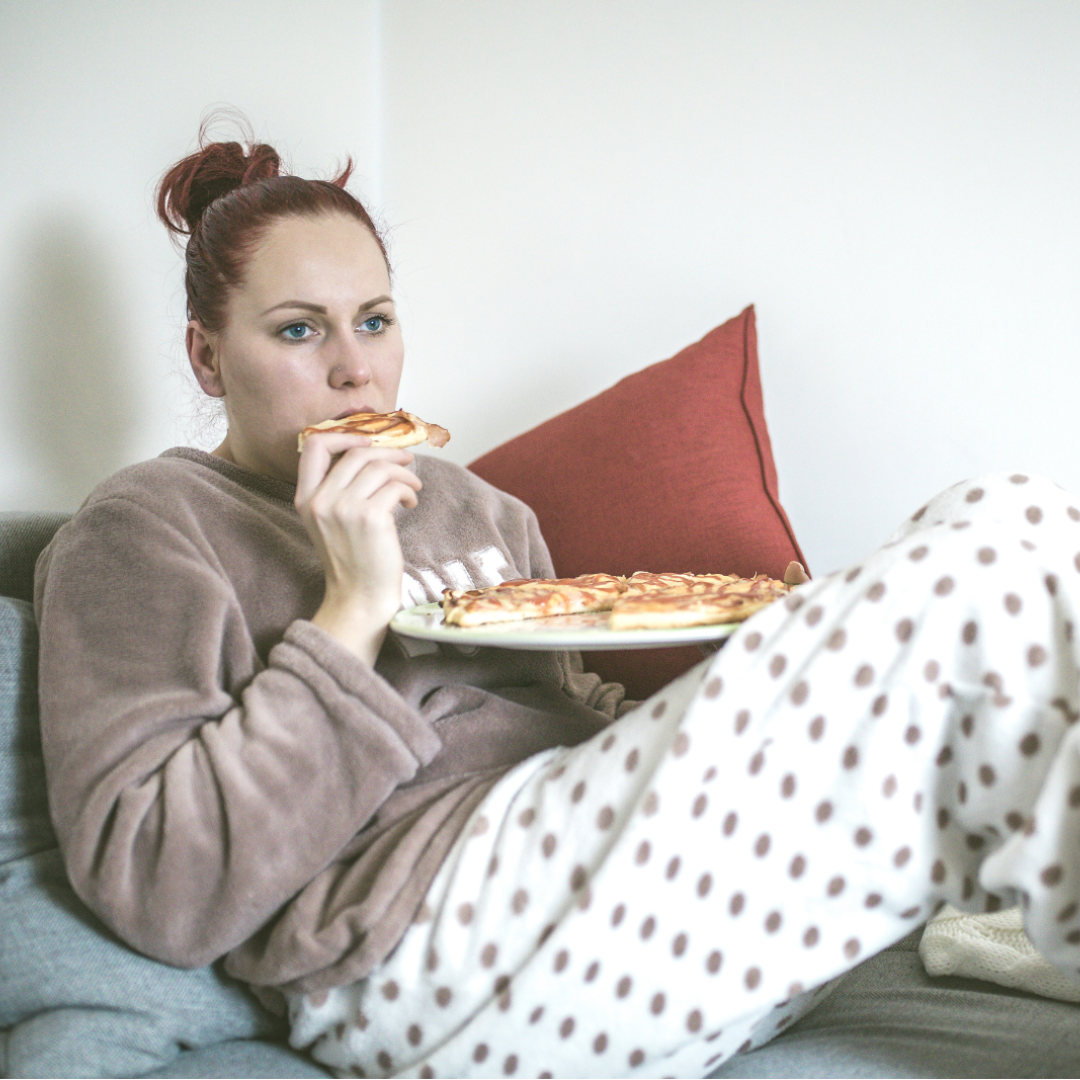
If you’ve been feeling more tired, craving comfort foods and more snacks, or experiencing mood swings and brain fog, you can (partially) blame winter!
Shorter days, less sunlight, and colder weather, especially here in Saskatchewan where the winters are long and dark, can affect how your body regulates your appetite. It also affects your sleep quality, stress management, mood, and even your motivation. It’s not just age, stress, or hormones. Your body is responding to real seasonal shifts.
To help you understand what’s going on and what you can do to feel better, our team put together an evidence-informed guide with simple strategies to beat the winter blues, carb cravings and dips in your energy, sleep, and motivation.
Why Does Winter Increase Cravings and Make Me Feel Snacky?
Lower serotonin levels
Less sunlight means less serotonin, the neurotransmitter that affects mood and appetite. When serotonin dips, cravings for carbs and sweets naturally rise because your body is trying to give itself a quick mood boost. This is why your cravings can be more intense in the winter, even when you’re eating regularly.
Emotional Hunger
Cold mornings, scraping windshields, icy roads, bundling up the kids, slower commutes, holiday demands, and getting less sleep in the winter while juggling your obligations for work, aging parents, kids, pets, etc … it adds pressure and raises stress hormones.
When your stress hormones are elevated, your body often responds by seeking out a quick comfort, like carb-heavy, or sugary foods. This is emotional hunger, and it’s extremely common in the winter months.
Disrupted Sleep Patterns
Less daylight disrupts your natural sleep–wake cycle and can reduce melatonin and cortisol regulation, making you feel more tired than usual. When your energy dips, your brain looks for the quickest fuel source it can get (usually carbs or sugar). That’s why you might reach for snacks even if you’re not physically hungry.
Why Does My Energy Drop So Much in the Winter?
Vitamin D deficiency
In Saskatchewan, we don’t get enough UVB exposure between October and March to naturally produce adequate Vitamin D. Low Vitamin D is linked to:
Fatigue
Low mood and irritability
Brain fog
Poor sleep
Increased carb cravings
The recommended daily dose of vitamin D for most adults is 600 to 800 International Units (IU), but during winter in Saskatchewan, a higher dosage is recommended of 1,000–2,000 IU. Some individuals may need even more depending on their baseline levels, lifestyle, and health needs.
A Dietitian or your primary healthcare provider can help you choose a safe, personalized dosage.
Not Getting Enough Nutrients
Poor sleep can affect our nutritional choices which, in turn, can affect sleep. It can be a vicious cycle. When we’re tired, overscheduled, or stressed, we’re more inclined to choose convenience foods or less nutrient-dense meals. And then when we don’t get enough of those right nutrients, our quality of sleep is reduced, leading to more unhealthy cravings.
Winter Blues
Seasonal affective disorder (SAD) is when you have feelings of sadness and lethargy during the winter, and common symptoms include fatigue and sleeping more than usual. This study found that people with SAD sleep for an extra 2.7 hours per day during the winter. But don’t worry. There’s lots of simple strategies to beat the winter blues.
5 Simple Ways to Beat the Cravings, Restore Your Energy, and Break the Cycle
Boost Vitamin D
Your body needs Vitamin D for mood, immunity, energy, and hormone regulation.
Try incorporating Vitamin D–rich foods to help stabilize energy and support hormone balance.
Fatty fish (salmon, trout, sardines)
Egg yolks
Fortified dairy or alternatives
UV-exposed mushrooms
Try a SAD Lamp (Seasonal Affective Disorder lamp)
A SAD lamp mimics bright natural daylight, helping regulate your body’s internal clock. Using one for 20–30 minutes within the first hour of waking can give you a noticeable lift in mood and energy.Ask a healthcare provider about supplementation
Most Saskatchewan residents benefit from a Vitamin D supplement in winter. A dietitian can help you choose quality supplements and the right dose for your age, lifestyle, and health needs.
2. Movement
Movement improves circulation, mood, metabolism, and sleep. You don’t need long or intense workouts to make a difference here. Even 10 -15 minutes of gentle stretching, walking, joint mobility, or strength work can help regulate your stress hormones, lift your mood, and make you feel better throughout the day. Consistency matters more than intensity.
3. Prioritize Sleep
Sleep has a direct impact on cravings, mood, stress regulation, and energy. Try:
Dimming the lights 1 hour before bed
Limiting evening screen time
Avoiding caffeine and alcohol
Keeping a consistent sleep–wake routine (even on the weekends)
Drinking more water earlier in the day instead of late at night
Adding meditation, deep breathing, or yoga before bed
4. Balanced Meals
Balanced meals help regulate blood sugar, reduce cravings, and keep your energy more stable throughout the day. Focus on including:
Protein
Healthy fats
Fibre
Colour (veggies or fruit)
Prepare easy meals ahead of time. Planning a few no-prep or easy-prep meals can help lower decision fatigue and reduce the urge to grab whatever’s fastest. Some of our favourites:
Pre-washed fruit and veggies
Precooked hard boiled eggs
Greek yogurt
Cooked rotisserie chicken
Freezer-friendly soups and stews
Slow-cooker meals
Overnight oats
5. Support Your Nervous System
Your nervous system plays a role in nearly every aspect of your everyday activities. It affects how you wake up, breathe, focus, your memory, and how you navigate stress and your emotions. Here’s some simple tips to support your nervous system:
Calm It Down
Slow Breathing: Try deep belly breathing for 1–2 minutes.
Mindfulness: Take a nice walk, try guided relaxation or spend time in nature and ground yourself.
Reiki: A gentle way to settle tension and support relaxation.
Protect Your Rest
Create a Wind-Down Routine: Reduce screens, dim lights, slow breathing.
Aim for 7–9 Hours: This gives your system time to repair and reset.
Limit Stimulants: Alcohol, too much caffeine or late-night snacking can disrupt sleep cycles.
Make Time for Movement
*Don’t do anything that hurts. Consult your physiotherapist for safe movement personalized for you.
Gentle Cardio: Walking, cycling, or swimming to boost circulation and calm tension.
Stretching or Yoga: Eases muscle tightness and supports relaxation.
Massage or Shockwave Therapy: Helps reduce physical tension that overloads your system.
Nourish Your Body
Balanced Meals: Focus on whole foods, healthy fats (omega-3s from fish/flax), B vitamins (leafy greens, lean meats, whole grains), D vitamins (blank), and antioxidants (blank).
Focus on whole foods, healthy fats (omega-3s from fish or flax), B vitamins (leafy greens, eggs, lean meats), vitamin D–rich foods (fortified dairy or alternatives, egg yolks, cod liver oil), and antioxidants (berries, nuts, and seeds).
Stay Hydrated: Water is essential for smooth nerve signal transmission. Even mild dehydration can affect energy and focus.
Dietitian Support: Get personalized guidance on nutrients that support your energy, mood, and health needs.
Stay Connected
Social Support: Spending time with people you trust helps regulate emotional stress.
Connect to your Creative side: Crafting, puzzles, or learning something new stimulates healthy neural pathways.
Connect to nature: Get some fresh air and sunlight. Even a few minutes outside can help regulate mood, energy, and stress hormones.
Clinical Counselling: Offer a compassionate space to explore your emotional health and personal growth.
When to Seek Personalized, Evidence-Informed Support
If fatigue, cravings, mood swings, or motivation changes feel unbeatable, it may be time to talk with someone who understands your underlying challenges and stage of life.
👉 Book your free discovery call now.
From all of us at,
Holistic Physiotherapy & Wellness
Health Canada. “Vitamin D.”
https://www.canada.ca/en/health-canada/services/nutrients/vitamin-d.html
Dietitians of Canada. “Food Sources of Vitamin D.”
https://www.unlockfood.ca/en/Articles/Vitamins-and-Minerals/What-you-need-to-know-about-Vitamin-D.aspx
Canadian Mental Health Association. “Tips to Shake Off the Winter Blues.”
https://ontario.cmha.ca/news/tips-to-shake-off-the-winter-blues/
Healthline. “How to Fall Asleep Faster.”
https://www.healthline.com/health/healthy-sleep/fall-asleep-fast#takeaway
Schlager, D. et al. “Seasonal changes in sleep patterns.” PubMed.
https://pubmed.ncbi.nlm.nih.gov/8064650/
Vancouver Is Awesome. “Sleepier Than Usual This Winter? Here’s Why.”
https://www.vancouverisawesome.com/highlights/sleepier-than-usual-this-winter-heres-why-11596495
Vieth, R. “Vitamin D supplementation, 25-hydroxyvitamin D concentrations, and safety.” ScienceDirect.
https://www.sciencedirect.com/science/article/abs/pii/S0009912013002476
Holick, M.F. “Vitamin D Deficiency.” New England Journal of Medicine.
https://www.nejm.org/doi/full/10.1056/NEJMra070553