Do Women Feel More Pain Than Men?What the Research Actually Says
HOLISTIC PHYSIOTHERAPY & WELLNESS • JUNE 2026 • MEN’S HEALTH MONTH
Written by Kim Deschamps, MPT, BKin, PYT, BDN — Founder & Physiotherapist, Holistic Physiotherapy & Wellness, Saskatoon | Reading Time: ~10 minutes
TL;DR
This article breaks down the real differences in chronic pain between women and men, and what that means for diagnosis, treatment, and recovery.
Chronic pain affects nearly 8 million Canadians, with a disproportionate number of women affected compared to men.
This is not just a difference in reporting. It reflects real biological differences between men and women. Women are generally more sensitive to pain, more vulnerable to painful conditions, and tend to experience more pain across their lifespans.
Hormones, immune function, and the nervous system all influence how pain is experienced. These differences help explain why symptoms, diagnosis, and treatment can look different for men and women.
Understanding these differences is key to getting the right care and better results.
A quick note on language:
We use “men” and “women” to reflect how research is typically reported. We recognize that pain is experienced across all gender identities, and that care should always be individualized.
On a scale from one to ten, how bad’s the pain?
How differently would a man and woman answer that question faced with the same type of pain?
It’s surprisingly difficult to describe your pain to another person because it’s such a personal and subjective experience. And the scale rating isn’t very helpful if you don’t have a clear reference for what it’s supposed to feel like.
So, before we get into how men and women feel pain differently, let’s get on the same page for how pain is measured.
How to Describe Your Pain Level on the 1–10 Pain Scale (What The Numbers Mean)
The pain scale breaks up pain into levels from 1 to 10, which describe how much your pain affects your daily activity. These levels are grouped together into Mild, Moderate, and Severe pain.
Mild Pain (1–3)
You notice it, but you can still go about your day.
Level 1: Barely noticeable. Easy to ignore.
Level 2: Annoying at times, with occasional sharper moments.
Level 3: Distracting, but you’re still able to function and adapt.
Moderate Pain (4–6)
Now you’re starting to adjust your life around it.
Level 4: You can push through it for a while, especially when you’re busy, but it keeps pulling your attention back.
Level 5: Hard to ignore for more than a few minutes. You can push through, but it takes effort.
Level 6: Difficult to concentrate on normal tasks. It’s affecting how you move, think, or function.
Severe Pain (7–10)
At this point, the pain is running the show.
Level 7: Constant and demanding. It limits what you can do and may start affecting your sleep.
Level 8: Intense. Physical activity is very limited, and even conversation can be difficult.
Level 9: Overwhelming. You may not be able to talk. You might be moaning or crying because it is that hard to tolerate.
Level 10: The most severe pain. You’re unable to function normally and may feel completely overwhelmed by it.
* Pain scale descriptions adapted from: Advanced Surgical Hospital. "How to Interpret the Pain Scale." ashospital.net/blog/how-to-interpret-the-pain-scale
The number matters less than what’s behind it. When you come in, we don’t just want a number. We want to understand how the pain is affecting you. Has it changed your routine, how you sleep, how you feel about yourself, etc. That context helps us get closer to the root of the problem.
How men and women report pain differently.
Both men and women tend to misreport their pain, just in opposite directions. Women often downplay it, worried they’ll seem dramatic. Men often overstate it, or don’t mention it at all. Neither gets the care they actually need.
Most of us absorbed very different messages about pain growing up. Girls were handed a Midol and sent back to class. Boys were told to “walk it off”, “suck it up”, or “tough it through”.
Those aren’t just childhood memories. They’re instructions we’re still following. And they have real consequences for how we seek care, how long we wait, and how healthcare providers respond when we finally do show up.

Same Pain. Different Responses.
Picture a man and a woman who are the same age, race, and physical condition doing the same job. They both sit at a desk most of the day and developed the same lower back pain about eight months ago. The pain is a level 6. We ask them each tell us what they’ve been experiencing and how they’ve been coping until now.
A typical woman's response: She says the pain level is a 4 or 5. It’s “not that bad”. She mentioned it to her doctor at her annual physical but was told to take Tylenol or takes ibuprofen for 3 days. She figured out how to avoid positions that made it worse. She googled some stretches and did them every morning before the kids woke up. She rearranged her home office so she could stand more. She’s booked a couple massages. She finally came in because she felt a sharp pain when she was getting bag of groceries out of the trunk. The pain is now or a “6 or 7” and it’s harder to manage her day.
A typical man’s response: The pain level is about a 7 or 8. He takes some ibuprofen when he needs to. He stopped going to the gym “just for now” (about six months ago). He mentioned it to his wife once, maybe twice. He figured he could just tough it out until it went away. He finally came in because his wife booked the appointment.
Same pain. Same duration. Women tend to adapt around pain. Men tend to delay dealing with it. Neither strategy is helpful.
Pain Threshold vs. Pain Tolerance: What’s the Difference?
These two terms get used interchangeably all the time but they actually mean different things. Mixing them up is part of why the research on pain and gender gets oversimplified.
Pain Threshold
Pain threshold is the point at which a sensation crosses line from pressure or discomfort to actual pain. It’s when your nervous system says: something is wrong.
On average, women reach that line at a lower intensity than men. Meaning the same amount of pain stimuli will register as painful to a woman before it registers as painful to a man. Meaning women generally have a lower pain threshold than men.
Note – this is a biological difference in sensitivity, not a difference in toughness or character. And it matters clinically, because it's part of why women are more likely to notice pain early — and also more likely to be told they're overreacting to it.
Pain Tolerance
Pain tolerance is how long or how much pain a person can endure. And here’s where it gets interesting. Some research suggests women may actually tolerate sustained, chronic pain more effectively over time, while men tend to report higher tolerance for brief, acute pain.
Put another way: women may feel it sooner. But they often live with it longer.
That staying power is both a strength and a warning sign. Women are remarkably good at adapting around pain. Rescheduling around it. Restructuring their days. Telling themselves it’s not that bad, or that they’ll deal with it later, or that they’re probably just tired. By the time many women come through our door, they’ve been managing something quietly for months. Sometimes years.
Men have the opposite problem. Studies show that both men and women expect men to be less willing to report pain — and that expectation shapes behaviour. Men don’t report. Women over-adapt. Neither pattern leads anywhere good.
Why Do Men and Women Experience Pain Differently?
What Canadian Researchers Are Finding
In 2024, researchers at the University of Alberta confirmed something the pain science community had been working toward for years: the biological mechanisms that drive chronic pain are not the same in men and women. They found that female immune cells (macrophages) behave differently in the context of chronic pain. They also identified a gene on the X chromosome that plays a role in resolving inflammation in both sexes. That means the path into chronic pain, and potentially the path out of it, may look different depending on your biology.

The Groundbreaking 2024 Finding on Nociceptors
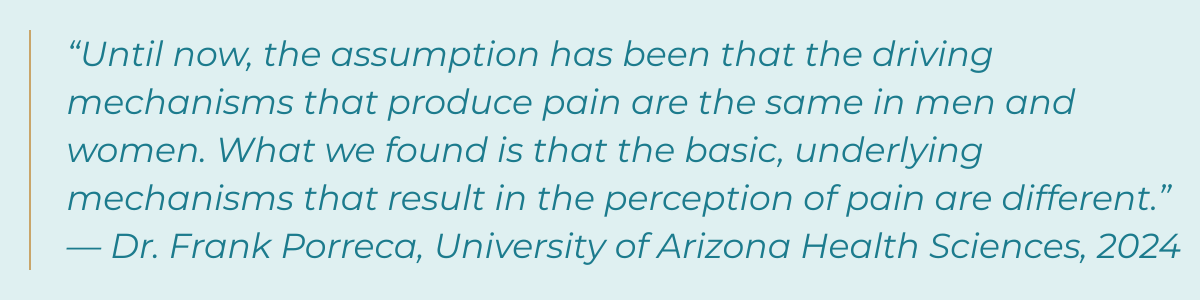
Around the same time, a team at the University of Arizona went even further. They found that the nerve cells that actually produce pain signals — called nociceptors — are functionally different in men and women. Not just in mice. In human tissue too. It reframed what we thought we understood about pain from the ground up.
For decades, most pain research was conducted almost exclusively on male animals. A review published in the journal Pain found that between 1996 and 2005, 79% of rodent pain studies used only male subjects. The medications, the protocols, the diagnostic criteria we still use today are largely built on male biology. When women show up with pain that doesn’t fit that model, the system often has no framework to make sense of it.
The field is catching up. But the gap is still costing real people real care, right now.
How Hormones Affect Pain Sensitivity
If you’ve ever noticed that pain feels worse in the days before your period, or that a man you know could shrug off an injury that would floor you, it’s not just in your head. That’s hormones.
Estrogen and Progesterone
Estrogen has a complicated relationship with pain. It can sensitize pain pathways, which is why many women notice pain flares in the days before their period when estrogen drops. It also interacts with inflammation, nerve sensitivity, and how the brain processes pain signals. This is why conditions like migraines, endometriosis, fibromyalgia, and pelvic floor dysfunction don’t just affect women more often. They often track with the hormonal cycle.
Perimenopause makes this even more noticeable. As estrogen fluctuates, many women develop joint pain they have never had before, notice changes in their pelvic floor, and find that sleep gets harder to come by. Many are told, “It’s just hormones,” as if that explains everything. But hormones are exactly what we should be paying attention to.
Testosterone
Testosterone appears to offer some protection against pain. It may reduce inflammation and raise pain threshold, which helps explain why men develop certain chronic pain conditions less often. But testosterone naturally declines with age. Many men who come in with new or worsening musculoskeletal pain in their 50s and 60s are experiencing that shift, often without realizing why their body suddenly feels different.
For women, lower testosterone, which can happen during perimenopause or after certain medical procedures, has also been linked to increased pain sensitivity and slower recovery from injury. It is another piece of the puzzle that rarely gets discussed in a typical appointment.
Why Do Women Experience Chronic Pain More Often Than Men?
This is not about who complains more. According to Health Canada’s Canadian Pain Task Force, nearly 8 million Canadians, or roughly one in five people, live with chronic pain. Chronic pain is pain that lasts three months or longer, or beyond what normal tissue healing should take.
Women carry more of that burden. Data from the Canadian Community Health Survey, which included over 125,000 respondents, found that 18% of Canadian women reported living with chronic pain, compared to 14% of men.
A national Angus Reid survey with Pain BC and the Mindset Social Innovation Foundation found that one in three Canadian adults reports ongoing pain lasting more than three months. Of those in the most severely affected group, 58% are women over 35. One third are over 55.
Read that again. Among Canadians most severely impacted by chronic pain, nearly six in ten are women over 35.
These are women managing careers, raising kids, caring for aging parents, running households all while navigating pain that’s interrupting their sleep, their work, and their sense of who they are.
Why Are Women’s Immune Systems More Active and How Does That Affect Pain?
Women’s immune systems are more active than men’s because of differences in hormones, genetics, and immune function. Estrogen strengthens immune response, and having two X chromosomes changes how immune cells behave. That stronger response means inflammation can be triggered more easily and can last longer, which increases the risk of chronic pain.
A more active immune system comes with real advantages. Faster healing. Stronger responses to infection and vaccines. But it also means inflammation, one of the main drivers of chronic pain, can be harder to fully resolve.
That is part of what the University of Alberta team found. Female immune cells behave differently in the context of chronic pain. The biology of getting stuck in pain and getting out of it is not the same for everyone.
The Centre of Excellence for Women’s Health has been leading Canadian research on women’s chronic pain since 2021. They have identified nine chronic pain conditions that disproportionately affect women, including fibromyalgia, pelvic pain, migraines, and autoimmune-driven pain. Their work is pushing for research and clinical care that actually accounts for those differences.
The Conditions
To put this into perspective:
Migraine: affects women at roughly 3 times the rate of men
Fibromyalgia: female-to-male ratio of up to 8 or 9 to 1
Autoimmune conditions (lupus, rheumatoid arthritis, multiple sclerosis): affect women at approximately twice the rate of men
Pelvic pain conditions, including endometriosis and interstitial cystitis: predominantly affect women
Why Is Women’s Pain Sometimes Taken Less Seriously Than A Man’s?
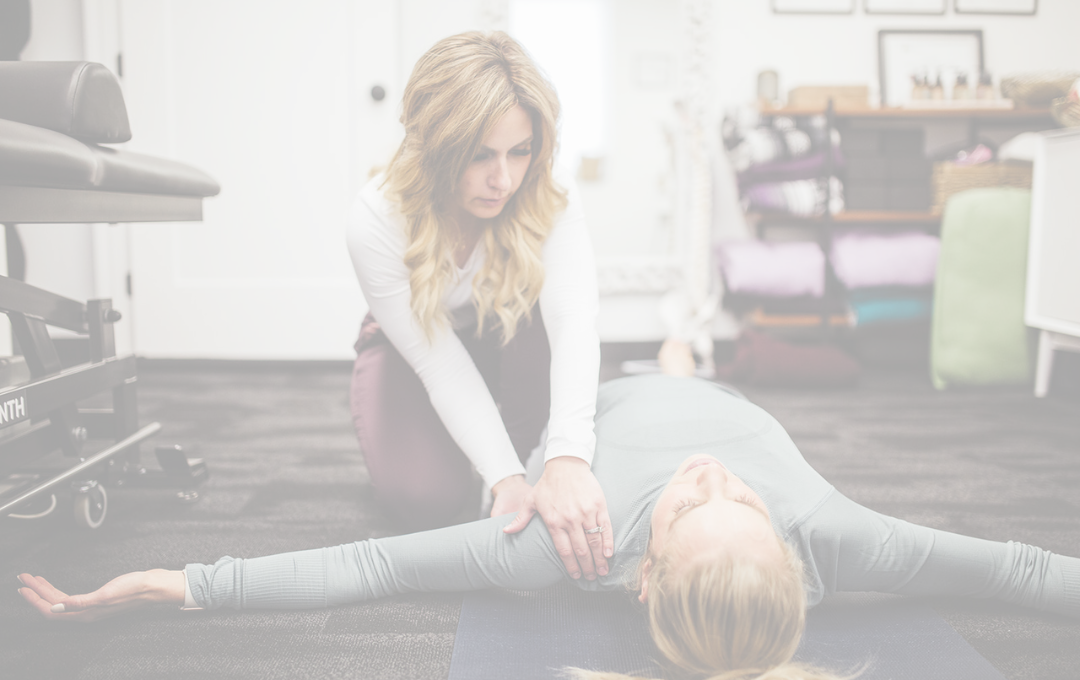
A woman’s pain can be taken less seriously than a man’s because of long-standing gender biases and stereotypes that portray women as overly emotional, along with gaps in medical research focused on female biology.
A woman with chronic pain may be dismissed as having a psychological issue and sent home with a sedative instead of receiving appropriate pain management.
Growing up, I watched people close to me live with chronic pain. My mom was one of them. As a kid, I remember wondering why her pain kept coming back.
She was doing all the right things. Going to appointments. Following advice. Trying to take care of herself.
But nothing really changed.
She would come home with another prescription, but no real answers. No clear understanding of why it was happening or how to fix it.
Canada’s Pain Task Force called this out directly in its 2021 action plan. Women living with pain face barriers shaped by gender. Their pain is more likely to be attributed to emotional or psychological causes. They wait longer for a diagnosis. And they are more likely to leave appointments feeling dismissed.
The report includes testimony from someone living with chronic pain who said women are often treated as dramatic. Experiences like this do not just delay care. They stop people from seeking it at all. Shame becomes a barrier.
International surveys have found that more than half of women report having their pain dismissed or minimized by a healthcare provider. Research from 2024 confirms that women and girls are more likely to experience chronic pain, more likely to report severe pain and functional impact, and less likely to receive care that matches what they are dealing with.
They are also less likely to have their pain adequately treated. When pain does not show up clearly on imaging, they are more likely to be sent home with a psychiatric or emotional explanation.
This is not because providers do not care. It is because the system was built on a research base that largely left women out.
Pain protocols, medication dosing, and diagnostic criteria were developed primarily from studies on men. When women present with pain patterns that do not match that model, there is often no clear framework to interpret what is happening.
So they are told their tests are normal. They are told to try stress management. They are told to come back if it gets worse.
This is changing, but slowly.
It is part of why I built Holistic Physiotherapy and Wellness the way I did.
I believe meaningful change in healthcare happens through collaboration. Not one provider working in isolation, but a team that communicates, connects the dots, and looks at the full picture.
When you come to Holistic Physiotherapy and Wellness, you are not just treated for a symptom. We take a whole-person approach. Your full story is heard, your patterns are explored, and your care is approached from multiple angles.

When Is A Man’s Pain Sometimes Taken Less Seriously Than A Woman’s?
Pain in men is often expected to be physical, visible, and tied to a clear injury. Something you can point to, test, or fix. When it’s not, it can be overlooked or dismissed without fully exploring the underlying cause.
There are also areas where research and clinical focus have been more developed for women. Pelvic pain is a clear example.
Pelvic pain is widely recognized and studied in women, which has helped improve diagnosis and care. But pelvic pain in men is less commonly recognized or assessed and may be labeled as prostatitis, digestive issues, or general tension without looking at the pelvic floor as a contributing factor.
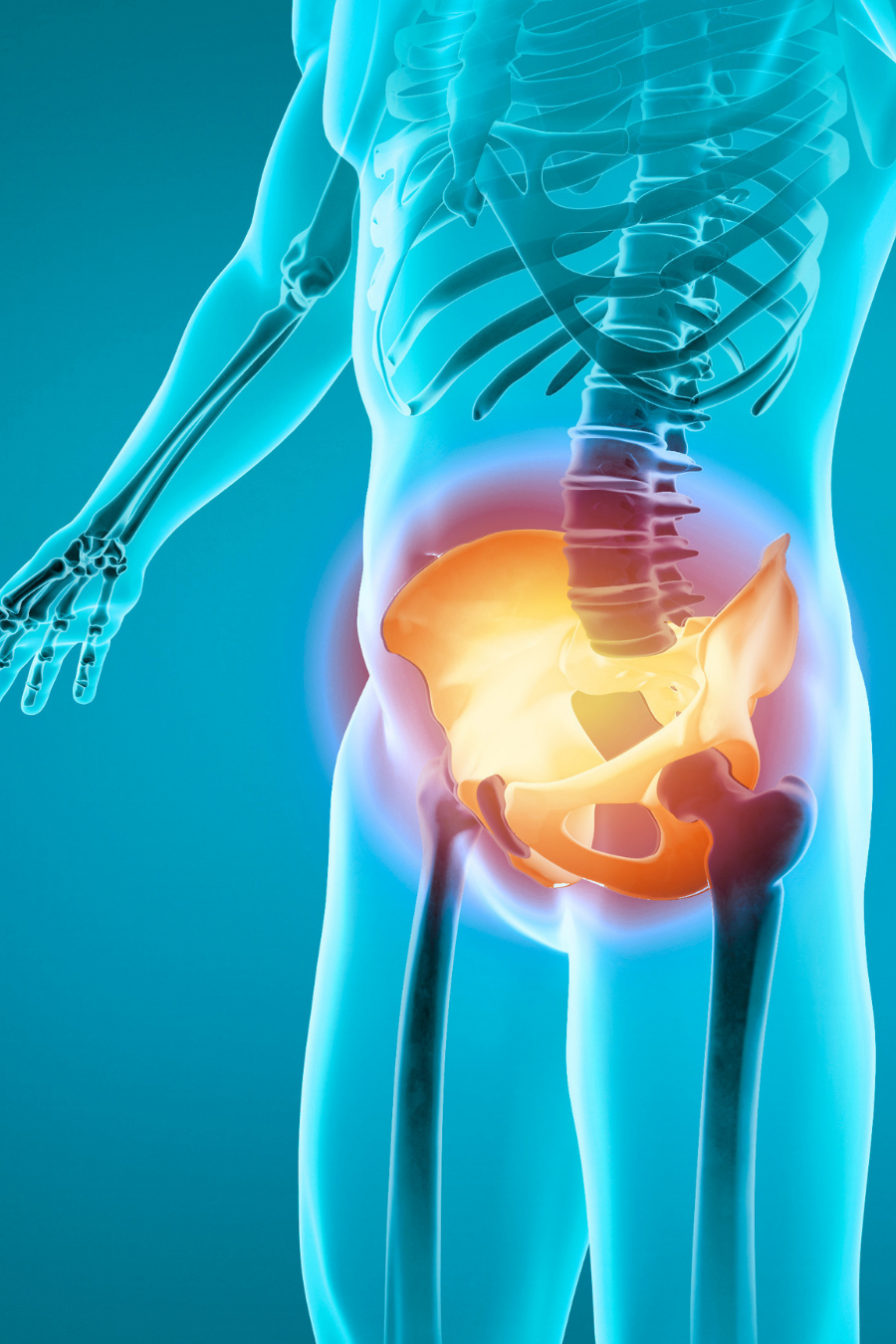
Pelvic Pain in Men vs. Women: What’s Different?
Pelvic floor dysfunction is not a women’s health issue. It’s a human health issue. It’s more commonly recognized in women because we’ve had language for it longer, and because its connection to pregnancy and postpartum care made it more visible. But men have a pelvic floor too. It supports the bladder, the bowel, and sexual function. And when it isn’t working well, it causes real, significant problems for men too.
Common Causes of Pelvic Pain in Women
• Pelvic floor dysfunction (muscles that are too tight, too weak, or poorly coordinated)
• Endometriosis — tissue that grows outside the uterus and causes pain with menstruation, intercourse, and bowel movements
• Bladder pain syndrome and interstitial cystitis
• Hormonal changes across perimenopause and postpartum recovery
• Scar tissue from surgeries or childbirth
Common Causes of Pelvic Pain in Men
• Chronic pelvic pain syndrome / prostatitis (often driven by pelvic floor tension, not infection)
• Pelvic floor tension from prolonged sitting, high-intensity sport, or chronic stress
• Pudendal nerve irritation
• Bladder urgency and frequency
• Hemorrhoids and anal fissures
For both men and women, pelvic floor physiotherapy is one of the most underused tools in managing these conditions — especially among men, who often don’t know it applies to them.
How Physiotherapy Helps Both Men and Women
Pelvic Floor Physiotherapy
Our pelvic health physiotherapists work with people of all genders to assess and treat:
• Pelvic pain and pressure
• Bladder and bowel control challenges
• Pain with intercourse
• Prolapse symptoms
• Recovery from pelvic or abdominal surgeries
• Hemorrhoids and anal fissures
• Perinatal care — pregnancy and postpartum
• Perimenopause and menopause-related pelvic changes
• Men’s pelvic health, including post-prostate recovery and chronic pelvic pain
Nervous System Regulation
Chronic pain isn’t just a tissue problem. It’s a nervous system problem. Which means treatment that only targets the sore spot often isn’t enough. Pain science education, movement therapy, breathwork, and in some cases yoga therapy — these aren’t extras. They’re part of how we help people understand why their body is producing pain, and how to shift that pattern.
Shockwave Therapy
For chronic tendon pain, pelvic floor tension, or scar tissue, shockwave therapy is an effective option worth knowing about. It stimulates tissue repair, improves circulation, and reduces pain signals — no medications, no needles. Particularly useful for athletes dealing with overuse injuries, and for people with chronic musculoskeletal or pelvic pain that hasn’t responded to other approaches.
Collaborative, Whole-Person Care
Your pain doesn’t exist in isolation from the rest of your life. If hormonal shifts, nutrition, stress, or mental health are part of your picture, our team can connect those dots. Physiotherapists, massage therapists, our dietitian, and clinical counsellor all communicate with each other — and with you. That’s what collaborative care looks like when it actually works.
Your Pain Is Real. And It Deserves a Real Answer.
Pain is not experienced the same way by everyone. The research is finally catching up to what many of us have known intuitively for years. Biology, hormones, immune function, nervous system wiring, and a lifetime of social conditioning all shape how pain develops, how it persists, and how it gets treated — or doesn’t.
In Canada, nearly 8 million people are living with chronic pain. Most of them are women. Most of them are managing it quietly, because that’s what they’ve been taught to do.
You don’t have to keep doing that.
Whether you’re here because you’re finally done adapting, because you made this appointment for someone you love, or because you’re just starting to wonder if what you’re feeling is actually normal — this is a good place to start that conversation.
Ready to Start?
➡ Book online here
➡ Call us at (306) 373-0060
➡ 302 4th Avenue North, Downtown Saskatoon
From all of us at
Holistic Physiotherapy & Wellness
Frequently Asked Questions About Pain in Men and Women
1. Do women feel more pain than men?
Yes. Women generally experience higher pain sensitivity and are more likely to develop chronic pain conditions. This is not about who complains more. It reflects real biological differences in how the nervous system processes pain.
2. Do men have higher pain tolerance than women?
It is more complex than that. Men and women respond to different types of pain differently. Men may tolerate short, intense pain better, while women often manage longer lasting, chronic pain more effectively. Social expectations also play a role. Many men are less likely to report pain, which can make it seem like they tolerate more.
3. Why is chronic pain more common in women?
Many common pain conditions affect women at higher rates, including migraines, fibromyalgia, and pelvic pain. Hormones, immune system differences, and nervous system sensitivity all contribute. Research gaps have also played a role in how pain in women is understood and treated.
4. Do hormones affect pain differently in men and women?
Yes. Hormones like estrogen, progesterone, and testosterone influence inflammation, nerve sensitivity, and how pain signals move through the body. This is why pain can shift across the menstrual cycle, pregnancy, postpartum, and perimenopause, and why aging men may notice changes as testosterone declines.
5. Why do some women experience more pain before or during their period?
Before a period, estrogen levels drop. This increases sensitivity in the nervous system and can raise inflammation. If you are already dealing with migraines, pelvic pain, or joint pain, this is often when symptoms feel worse.
6. Why is women’s pain sometimes dismissed by healthcare providers?
Women’s pain is more likely to be attributed to stress or emotional causes. This can lead to delays in diagnosis and treatment. Over time, these experiences can make people less likely to seek care at all.
7. Is pelvic pain different in men and women?
Pelvic pain affects both men and women, but the causes often differ. In women, it is commonly linked to pelvic floor dysfunction, endometriosis, or bladder pain. In men, it is often related to pelvic floor tension, chronic pelvic pain syndrome, or symptoms labeled as prostatitis. In both cases, the pelvic floor is often involved.
Common symptoms in women:
Pelvic pain or pressure
Pain with intercourse
Pain during or around menstruation
Bladder urgency or frequency
Constipation or pain with bowel movements
Lower back, hip, or abdominal pain
Common symptoms in men:
Pelvic, testicular, or perineal pain
Pain with sitting for long periods
Bladder urgency or frequency
Pain after ejaculation
Erectile or sexual dysfunction
Lower back, hip, or abdominal pain
In both men and women, these symptoms are often connected to the pelvic floor. They may be labeled differently, but the underlying driver can be the same.
Pelvic pain shows up in both men and women, but it doesn’t always look the same.
In women, it might come up as pain with your period, discomfort during intercourse, or ongoing pelvic pressure. In men, it often shows up as testicular or pelvic discomfort, pain with sitting, or symptoms that get labeled as prostatitis.
8. Can physiotherapy help chronic pain?
Yes. Physiotherapy looks at the muscles, joints, nerves, and movement patterns contributing to pain. It also includes education and nervous system support, which are important in long term pain. The goal is to understand what is driving the pain and change it.
9. Can pelvic floor physiotherapy help men with hemorrhoids or pelvic pain?
Yes. Pelvic floor physiotherapy can help with pelvic pain, bladder and bowel issues, sexual health concerns, and conditions like hemorrhoids. Many men are not aware this is an option, which means they often go longer without the right care.
10. When should someone see a physiotherapist for pain?
If pain has lasted more than a few weeks, keeps coming back, or is affecting your daily life, it is worth getting it assessed. You do not need to wait until it gets worse. Early care can make a big difference.
11. What are the signs of pelvic floor dysfunction?
Common signs include pelvic pain or pressure, bladder urgency or leakage, constipation, pain with intercourse, and difficulty fully emptying the bladder or bowels. These symptoms are often overlooked or treated separately, even though they can be connected through the pelvic floor.
12. Why does my pain keep coming back even after treatment?
Pain often returns when the root cause has not been fully addressed. Treating the area that hurts may help temporarily, but if contributing factors like movement patterns, muscle tension, nervous system sensitivity, or lifestyle factors are not addressed, the cycle continues.
13. What does pelvic floor physiotherapy actually involve?
It starts with a conversation about your symptoms, history, and goals. Assessment may include posture, movement, breathing patterns, and, when appropriate, an internal or external pelvic exam. Treatment can include manual therapy, exercises, education, and strategies to improve coordination and reduce tension.
14. Is it normal to live with chronic pain?
No. It may be common, but it is not something you have to accept. Pain that continues for months or keeps coming back is a signal that something needs to be looked at more closely.
15. Can stress or the nervous system cause physical pain?
Yes. The nervous system plays a major role in how pain is produced and experienced. Chronic stress can increase muscle tension, sensitivity, and inflammation, which can all contribute to ongoing pain.
16. Why do my tests come back normal if I’m still in pain?
Many types of pain do not show up on imaging or standard tests. Muscle tension, nerve sensitivity, and coordination issues are common drivers of pain but are not always visible on scans. That does not mean the pain is not real. It means a different type of assessment may be needed.
References
[1] Kerr, B., et al. (2024). New research suggests chronic pain is different for males and females. University of Alberta, Faculty of Medicine & Dentistry. Published in Brain, Behavior, and Immunity.
https://www.ualberta.ca/en/folio/2024/01/new-research-suggests-chronic-pain-is-different-for-males-and-females.html
[2] Stratton, H., Lee, G., Dolatyari, M., Ghetti, A., Cotta, T., Mitchell, S., et al. (2024). Nociceptors are functionally male or female: From mouse to monkey to man.Brain.
https://doi.org/10.1093/brain/awae179
[3] Mogil, J.S. (2020). Qualitative sex differences in pain processing: Emerging evidence of a biased literature.Nature Reviews Neuroscience, 21(7), 353–365.
[4] International Association for the Study of Pain (IASP). (2024). Overview of sex and gender differences in human pain.
https://www.iasp-pain.org/resources/fact-sheets/156455/
[5] Fillingim, R.B., King, C.D., Ribeiro-Dasilva, M.C., Rahim-Williams, B., & Riley, J.L. (2009). Sex, gender, and pain: A review of recent clinical and experimental findings.Journal of Pain, 10(5), 447–485.
[6] Robinson, M.E., Riley, J.L., Myers, C.D., et al. (2001). Gender role expectations of pain: Relationship to sex differences in pain.Journal of Pain, 2(5), 251–257.
[7] Gulati, M., Dursun, E., Vincent, K., & Watt, F.E. (2023). The influence of sex hormones on musculoskeletal pain and osteoarthritis.The Lancet Rheumatology, 5(4), e225–e238.
[8] Health Canada / Canadian Pain Task Force. (2021). An Action Plan for Pain in Canada. Government of Canada.
https://www.canada.ca/en/health-canada/corporate/about-health-canada/public-engagement/external-advisory-bodies/canadian-pain-task-force/report-2021.html
[9] Boulanger, A., et al. (2007). Chronic pain: The extra burden on Canadian women.BMC Women’s Health, 4(Suppl 1), S17.
[10] Schopflocher, D., Taenzer, P., & Jovey, R. (2011). The prevalence of chronic pain in Canada.Pain Research and Management, 16(6), 445–450.
[11] Angus Reid Institute, Pain BC, & Mindset Social Innovation Foundation. (2021). Chronic pain in Canada: Public views.
https://angusreid.org/chronic-pain-in-canada/
[12] Centre of Excellence for Women’s Health (CEWH). (2024). Women and chronic pain conditions: 8 key facts and ideas for action.
https://cewh.ca/current-projects/womens-chronic-pain/
[13] Wager, E., & Kleinert, S. (2024). Chronic pain management: Evolving paradigms.EClinicalMedicine, 30, 100137.
[14] Urology Nashville. (2023). Comparing causes of pelvic pain in men and women.
https://www.urologynashville.com/blog/comparing-causes-of-pelvic-pain-in-men-and-women/
[15] Pelvic Pain Rehab. (2023). Do sex and gender influence pain?
https://pelvicpainrehab.com/blog/battle-of-the-sexes-do-gender-and-sex-influence-pain/
[16] Van Reijn-Baggen, D.A., et al. (2022). Pelvic floor physical therapy in patients with chronic anal fissure: A randomized controlled trial.Techniques in Coloproctology, 26(7), 571–582.
[17] Van Reijn-Baggen, D.A., et al. (2022). Long-term follow-up study.
https://www.ncbi.nlm.nih.gov/pmc/articles/PMC9813900/