
Your Fascia Is Listening: Why Healing the Body Requires Holistic Awareness

HOLISTIC PHYSIOTHERAPY & WELLNESS • MAY 2026
Written by Mary Kiesman, BScN, RN
— Registered Nurse | Shockwave Therapy Practitioner
Holistic Physiotherapy & Wellness, Saskatoon | holisticphysiowellness.ca
When most people think about pain, they think about muscles, joints, or injuries. But encapsulating everything- muscle, movement, even our posture requires a powerful system that holds far more than we realize: the fascial system.
Fascia is the connective tissue web that surrounds and interweaves every muscle, organ, nerve, and bone in your body. It gives structure, support, and communication to the entire system. And here’s the part that often surprises people: fascia responds not only to movement, but also to stress, emotions, breath, and nervous system regulation (Slater et al., 2024).
At a holistic level, your body is always listening.
Fascia Is Not Just Physical
For a long time, fascia was thought of as passive tissue, something to stretch or release. We now know fascia is highly sensory and responsive. It adapts to how you move, how you breathe, how you rest, and how safe or stressed your nervous system feels.
When the body experiences repeated stress- physical or emotional- fascia can become dense, dehydrated, and restricted. This can show up as:
Persistent tightness or pain that doesn’t “go away”
Limited mobility or stiffness
Sensations of heaviness, pulling, or pressure
Healing fascia isn’t about forcing it to change. It’s about inviting feelings of safety, flow, and adaptability back into the system.

Movement: The Language Fascia Understands Best
Fascia thrives on varied, gentle, safe, intentional movement. Unlike muscles, which respond well to repetitive strengthening, fascia prefers diversity and curiosity.
Support your fascial health by:
Becoming curious and moving in different directions throughout the day
Incorporating slow, controlled, comfortable and safe stretches rather than aggressive ones
Exploring practices like walking, yoga, mobility flows, or gentle strength work
Changing positions often instead of staying static for long periods
Small, consistent movement signals to your fascia that it’s safe to soften and reorganize.
The Nervous System - Fascia Connection
Fascia is deeply connected to your nervous system (Slater et al., 2024). When your body is stuck in fight-or-flight mode, tissues tend to guard and brace. When your nervous system feels regulated and safe, fascia becomes more elastic and responsive.
This is why emotional regulation matters in physical healing.
Simple practices that support both nervous system and fascia include:
Slow, deep breathing (especially longer exhales)
Grounding exercises (feeling your feet, noticing sensations)
Resting without guilt
Mindful awareness of tension without judgment
You don’t need to “fix” your body. Often, healing begins when the body feels heard.
Emotions Live in the Body
Many people notice emotional release during bodywork or movement, sometimes unexpectedly. This isn’t a weakness or something to suppress. Fascia holds memory, patterns, and protective responses shaped by lived experience.
You may notice:
A sigh, tears, or deep breath during treatments
A wave of emotion during movement
A sense of relief without a clear explanation
These responses are signs of release and regulation, not something going wrong.
Allowing space for emotions, without forcing meaning or analysis, supports whole-body healing.
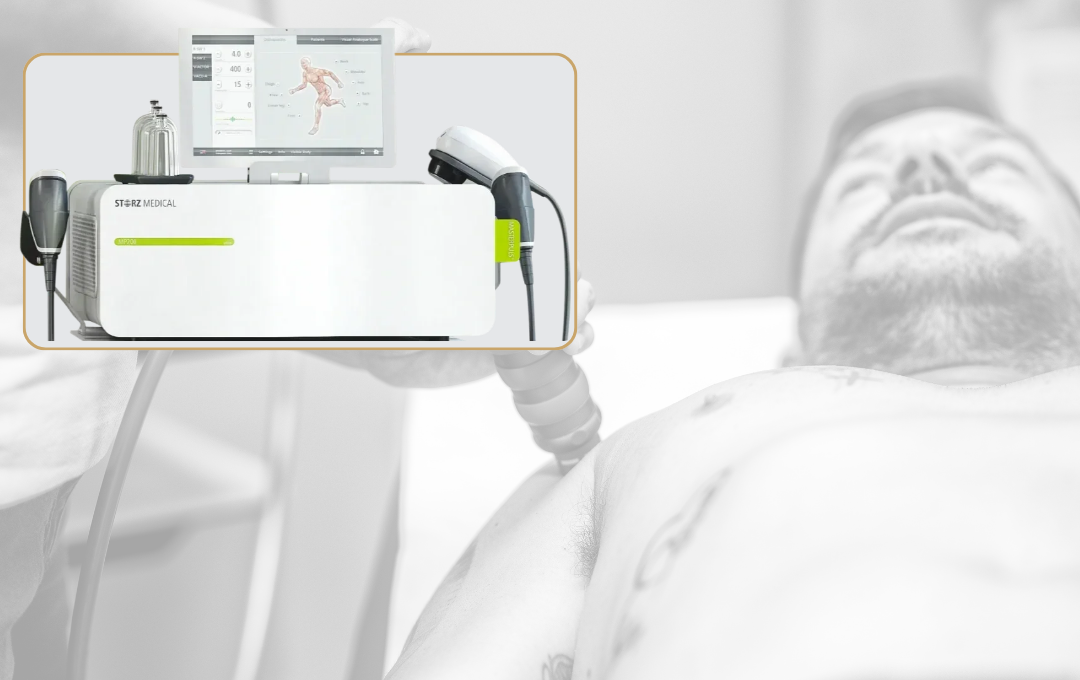
How Shockwave Therapy Fits Into Holistic Care
Shockwave therapy works by delivering mechanical stimulation to tissue, encouraging circulation, cellular activity, and tissue remodeling. When used within a holistic framework, it becomes even more effective.
Shockwave works best when paired with:
Intentional movement between sessions
Adequate hydration and nutrition
Nervous system regulation
Respect for rest and recovery
Healing isn’t something done to your body, it’s something your body does with the right support.
Caring for Your Fascia Between Sessions
Here are simple ways to support your fascia daily:
Drink water regularly (fascia is highly hydrated tissue)
Move gently first thing in the morning and throughout the day
Take slow and deep breaths into your belly and pelvic floor during moments of stress
Notice where you hold tension without trying to change it
Choose movement that feels supportive, not punishing
Consistency matters more than intensity.
A Final Invitation
Your body is not broken. It is adaptive, intelligent, and always communicating with you.
Holistic body care isn’t about doing more, it’s about listening more deeply. When we support the fascia through movement, emotional awareness, and nervous system regulation, we create the conditions for healing to unfold naturally.
If you’re curious about how shockwave therapy, physiotherapy, nutrition, movement, and holistic care can work together for your body, we’re here to support you- every step, breath, and release along the way.
Your fascia is listening.
What message are you sending it today?
Mary Kiesman, BScN, RN, Shockwave Practitioner