Stay Active This Summer: Heat Safety, Injury Prevention, and Self-Care
HOLISTIC PHYSIOTHERAPY & WELLNESS • JULY 2026
Written by Kim Deschamps, MPT, BKin, PYT, BDN — Founder & Physiotherapist, Holistic Physiotherapy & Wellness, Saskatoon
TL;DR: Heat and overuse are the two big summer setbacks. Learn the early signs, run a quick weekly self-check, and don’t push through pain that keeps coming back.
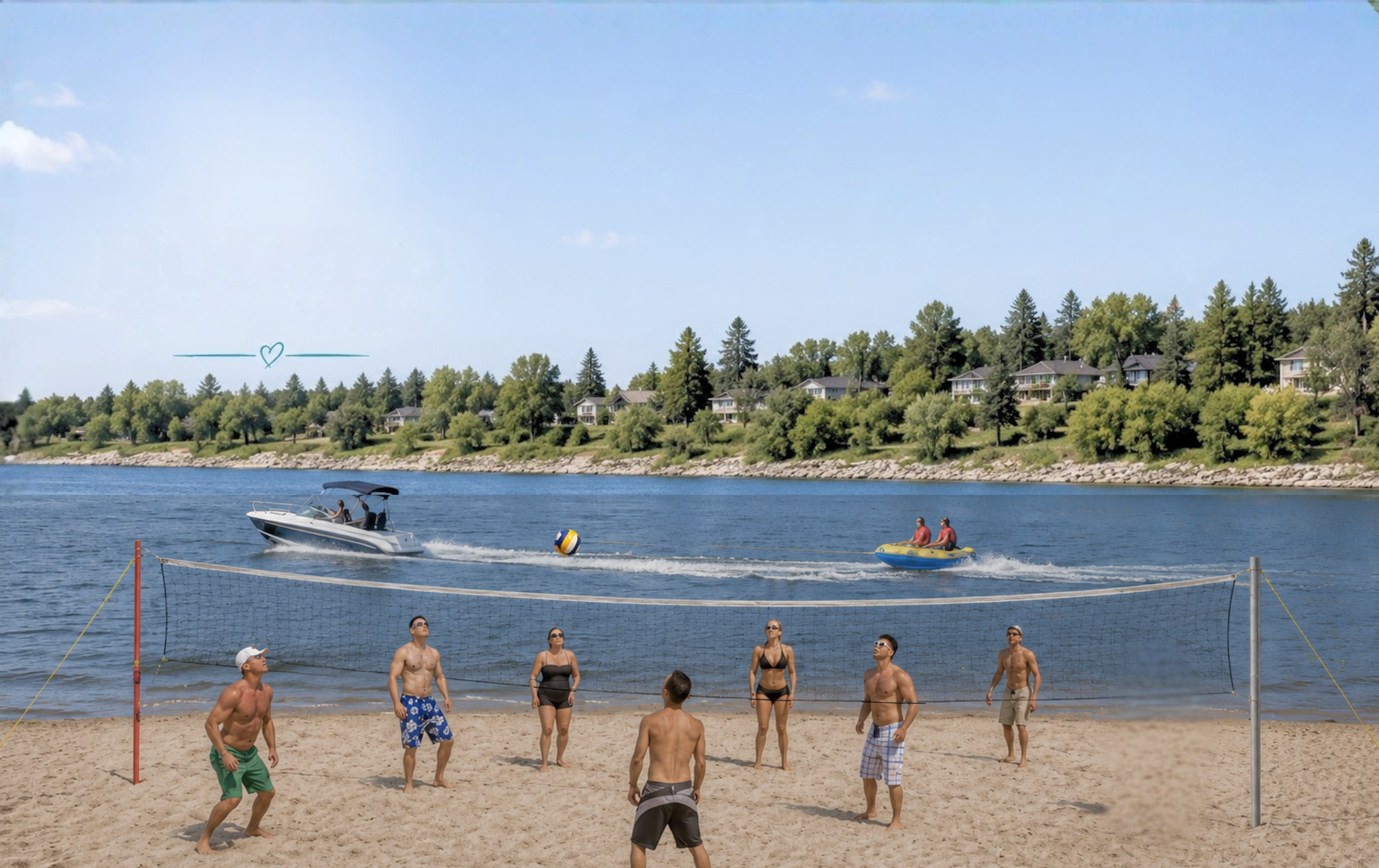
Summer in Saskatchewan is short, so you try to cram a lot into a few weeks: more walking, yard work, lake days, longer drives, sports, camping, you name it. Then something starts to ache, or the heat gets to be too much, and it slows you down.
Here’s what tends to go wrong in summer, how to spot it early, and what you can do before it costs you a piece of your summer.
Heat and Overuse Injuries That Can Derail Your Summer
Two things trip you up most in summer: heat and overuse. Both come with signs you can learn to spot.
Heat becomes a problem when your body can’t cool down fast enough. If you’ve felt foggy, headachy, dizzy, unusually tired, or queasy after time in the sun, you’ve felt the early start of it.
Overuse comes from a sudden jump in activity. If your feet are sore after more walking, your neck is tight after a long drive, your low back aches after a day in the garden, or your elbow acts up after yard work, that’s usually overuse, not aging or something you have to live with.
Knowing which one you’re dealing with is the first step. The sections below break it down.
The Top Summer Injuries We See During Saskatchewan Summers
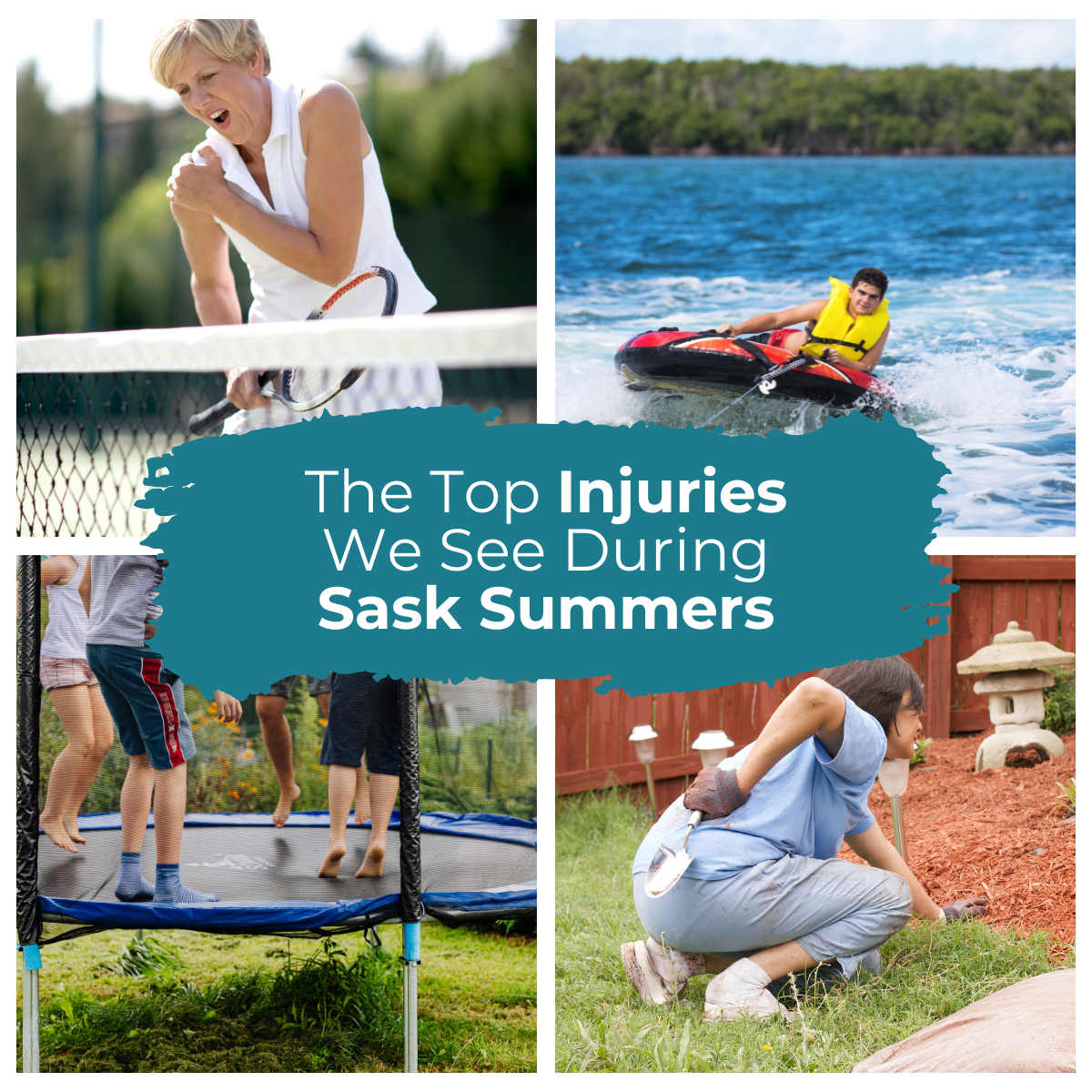
We’re often more active in the summer with travelling, sports, lake days, yard work, and projects around the house, and that sudden jump in activity is when new injuries begin and old injuries flare up again. At Holistic Physiotherapy and Wellness, here are some of the most common summer injuries we see from increased activity, heat, and overuse.
Falls
Summer means more walking and hiking on uneven trails, slippery docks, camping, ladders, and outdoor projects. Falls happen quickly on loose gravel, wet docks, or while carrying gear and supplies. For older adults, changes in balance, strength, and reaction time raise the risk further. Watch for hesitating on stairs, feeling unsteady on uneven ground, or reaching for railings more often.
Low Back Pain
Yard work and gardening, lifting heavy coolers and luggage, long drives, summer sports, and working remotely from the lake without a proper setup are all common causes of low back pain in summer. It often starts as stiffness or soreness in the evening or the next morning after a busy weekend, and it gets ignored. It’s tempting to push through, but giving your back movement, rest, and support early can help prevent more irritation and ongoing pain.
Ankle Sprains and Foot Pain
Jumping off playground equipment, hiking uneven trails, heading downhill, slipping near pools or docks, and sudden pivots in sport are all common ways to roll or sprain an ankle. Summer footwear plays a part too, especially when you go straight from supportive winter boots to thin sandals or flip flops that offer very little support.
Knee Pain
Summer activity can place extra strain on your knees, especially after a quieter winter. We commonly see knee pain from outdoor running, prolonged kneeling during yard work or gardening, and sports with sudden twists, stops, and direction changes. You might notice pain going down stairs, stiffness after activity, soreness after long walks, or discomfort getting up from a low chair.
Shoulder and Elbow Strain
Golf, tennis, ball games, landscaping, painting, mowing, and repetitive yard work all place extra strain on the shoulders and elbows. These tend to build gradually, so pay attention to soreness, tightness, weakness, reduced movement, or pain that keeps returning with activity.
Tubing, Whiplash, and Neck Strain
Tubing and boating can create sudden jerking movements that strain the neck and upper back, especially on rough water. Resting for a day or two can help, though too much can slow healing. If you suspect whiplash, seek a medical evaluation right away to rule out anything more serious. Travel adds to neck tension too, through long drives, flights, carrying luggage, hotel pillows, and long stretches of sitting. The stiffness often shows up the next morning or after you get home from a busy trip.
Playground and Trampoline Injuries
Summer means more playground visits, trampolines, and backyard play. Falls from monkey bars and trampolines are common for kids, especially during busy family gatherings and long days outside. Active supervision, softer landing surfaces, and one child at a time on the trampoline all help lower the risk.
Summer Injury Prevention Tips
Injury prevention is the whole idea behind Canadian Injury Prevention Day. According to Parachute Canada, 48 Canadians die and 634 are hospitalized every day because of injuries. The encouraging part is that the majority are predictable and preventable, often with the basics:
Ease into activity gradually
Warm up before sports or yard work
Wear supportive footwear
Switch positions often during repetitive tasks
Build recovery time into busy weekends
Stay hydrated during hot weather
Pay attention to aches that keep returning
How Summer Heat Affects Your Body
When the temperature climbs, your body works harder to stay cool. You lose more fluid through sweat, your circulation moves heat toward the surface of your skin, and your muscles tire faster than on a mild day. That’s why a hot day can leave you drained even if you didn’t do much.
Extreme heat is a growing health concern across Canada (source: Health Canada), and excess deaths during extreme heat events were mostly among adults aged 65 and older (source: Statistics Canada).
Signs of Heat Exhaustion and Dehydration

Heat exhaustion rarely starts as an emergency. More often it begins with symptoms that are easy to wave off as being tired or a bit off.
Watch for these early signs on a hot day:
Headaches or dizziness
Unusual fatigue or weakness
Nausea
Muscle cramps
Trouble concentrating
Heavy sweating
Feeling faint
These are far easier to handle with water, rest, and a break from the heat before they turn into something more serious.
Heat Exhaustion Versus Heat Stroke: What’s the Difference?
Knowing the difference helps you act quickly, for yourself or for someone with you.
Heat exhaustion can involve heavy sweating, headaches, dizziness, weakness, nausea, clammy skin, and fatigue. You can usually settle it by getting out of the heat, cooling down, and rehydrating. If it doesn’t improve with rest and fluids, get medical care.
Heat stroke is a medical emergency. Signs can include confusion, trouble speaking, loss of consciousness, seizures, hot or dry skin, and a very high body temperature.
The clearest difference: with heat stroke, the person is often confused, disoriented, or unable to respond. If someone reaches that point in extreme heat, call for emergency help right away.
Staying Safe and Active in Summer Heat When You’re Over 60
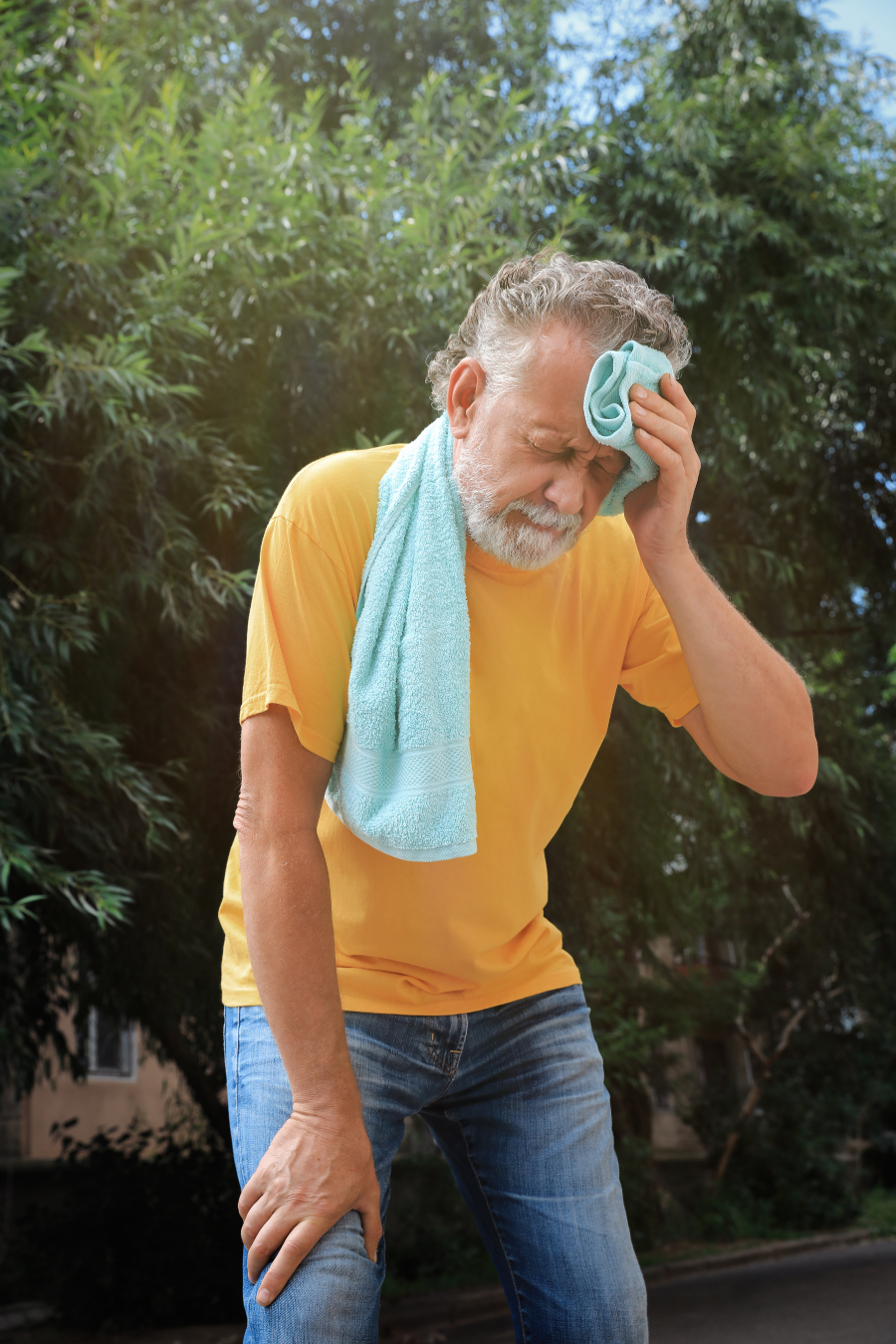
If you’re over 60, staying active does a lot for your independence and your confidence, and you don’t have to put that on hold when it’s hot. The goal isn’t to do less. It’s to keep doing what you love with a body that feels ready for it. If you’ve been dealing with stiffness, a sore joint, balance that feels a little off, or low energy in the heat, that’s worth looking into. It isn’t something you simply have to put up with, and it isn’t just a normal part of getting older. Small, steady steps, like gentle strength and balance work, regular movement you enjoy, and easing into new activity, can help you stay strong, steady, and doing the things that matter to you all season long.
Heat affects aging adults differently. The body’s ability to cool itself changes with age, so older adults often feel the heat sooner and recover from it more slowly. Whether you’re checking on a parent, grandparent, or neighbour, or you’re a senior yourself, a few small steps make a real difference.
A few simple ways to stay safe:
Keep water close. Sip through the day, before you feel thirsty, rather than catching up on a hot afternoon.
Stay cool during peak heat. Shade, fans, or air conditioning through the hottest part of the day.
Dress for the weather. Light, loose clothing and a hat make time outdoors easier and safer.
Check in regularly. A brief call or visit on hot days can help identify concerns early.
Staying active still matters as you age, and you don’t have to put it on hold when it’s hot.
Heat-friendly activities to consider:
A walk in the cooler morning or evening hours
Swimming or walking in a pool, which is easy on the joints and cooler too
Gentle stretching, chair exercises, or mobility work indoors
Light gardening in the shade, outside of peak heat
If balance, joint pain, or low energy is making activity harder, don’t just try and push through. It’s something a physiotherapist or wellness professional can help with.
A Simple Summer Wellness Check-In
If you take one thing from this article, make it this. Once a week through the summer, run a quick check-in on yourself:
Am I drinking enough water on hot and active days?
Have I built in any recovery time after a busy or physical weekend?
Is there an ache or tightness I’ve been ignoring for a while?
Am I sleeping enough to feel rested?
Is there something I keep meaning to ask a professional about?
If a couple of these stand out, that’s useful information. Early signs are the easiest ones to act on, and catching them now is far simpler than dealing with them once summer is over.
What Self-Care Looks Like in Summer
International Self-Care Day lands in July, and self-care is about more than slowing down or booking a spa day you may never get to.
Sometimes it’s as simple as letting someone help with the part you don’t have to handle alone.
At Holistic Physiotherapy and Wellness, we look at the whole picture rather than one symptom in isolation. If you’re not sure where to start, who to see, or how your symptoms connect, our collaborative team approach is built to help sort that out, so you’re not piecing it together on your own.
When Should You See a Physiotherapist or Wellness Professional?
You don’t have to wait until something is severe to ask questions or get support.
These are all worth looking into:
Recurring headaches or dizziness
Ongoing fatigue
Joint pain or swelling
Low back pain
Balance concerns
Repeated injuries
Pain that keeps returning with activity
Physiotherapy, massage therapy, shockwave therapy, counselling, and nutrition support can each play a role in helping you stay active, mobile, and comfortable through the summer. Each service is provided by practitioners trained and regulated within their own profession, and our team can help point you toward the option that may best fit your goals.
Summer Wellness Support in Saskatoon
Whether you’re chasing a personal goal, keeping up with a full schedule, supporting aging parents, recovering from an injury, or simply trying to move through your day more comfortably, support is available.
Small changes, a bit of preventative care, and a better recovery plan can add up to a real difference in how you feel across the season.
Staying active matters, and feeling good while you do it matters too.
Not sure where to start? Let’s talk. You’re welcome to book a free discovery call to ask questions, talk through what you’ve been noticing, and find out which service may be the best fit for you.
Where wellness takes root.
👉 Book your free discovery call now.
From all of us at,
Holistic Physiotherapy & Wellness
Frequently Asked Questions About Summer Heat, Recovery, and Injury Prevention
Can hot weather make joint pain worse?
It can. Heat, swelling, dehydration, changes in activity levels, and footwear changes can all contribute to more joint discomfort during the summer months.
Why do my feet swell more in the summer?
Hot weather can affect circulation and fluid retention. More walking, standing, travel, and unsupportive footwear can also contribute to swelling and foot fatigue.
What are the first signs of heat exhaustion?
Early signs often include dizziness, headaches, unusual fatigue, nausea, weakness, muscle cramps, and feeling faint or overheated.
Can physiotherapy help prevent summer injuries?
Physiotherapy can help support mobility, strength, balance, movement patterns, and recovery strategies that play a role in injury prevention and staying active longer.
Why does my back hurt more after gardening or yard work?
Gardening often involves repetitive bending, twisting, lifting, kneeling, and prolonged positions that can strain the lower back, hips, shoulders, and knees.
How can older adults stay active safely during extreme heat?
Hydration, pacing activities, avoiding peak heat hours, wearing supportive footwear, taking recovery breaks, and staying aware of early symptoms can all help support safe summer activity.