
Before, During and After the Flu: A Saskatoon Physiotherapist's Guide
By Kim Deschamps, Registered Physiotherapist · Holistic Physiotherapy & Wellness · 5 min read
TL;DR
Flu season can affect more than your lungs. Three issues we often see are lingering dizziness after a virus, muscle soreness after an immunization and leaking when you cough.
Post-viral dizziness often comes from inner-ear inflammation. Balance can be retrained, and vestibular physiotherapy can help you do that.
Temporary arm soreness is a common response to immunization. If muscle soreness lingers, physiotherapy or massage therapy may help ease it and restore comfortable movement.
Leaking with a cough can happen when pelvic floor is fatigued, weakened, or stretched and pelvic floor physiotherapy can help.
For low energy, pace yourself and rebuild activity in steps rather than all at once.
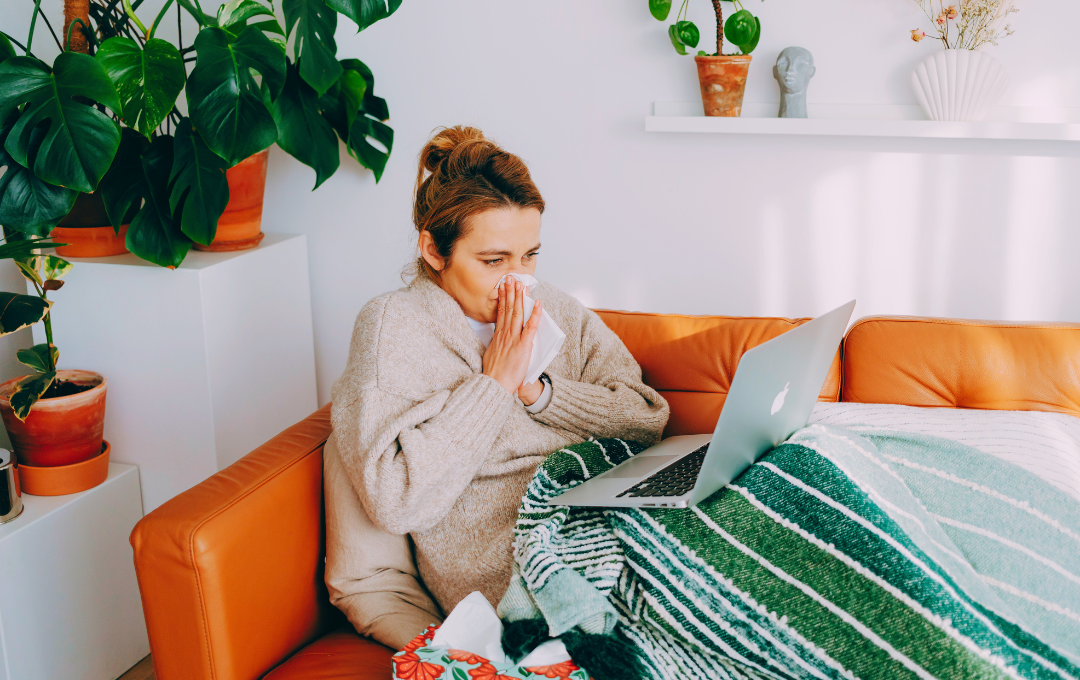
You had the thing that's been going around. The fever, achy body, dry cough, headache, and all you wanted to do was sleep. That part's over. So why do you still feel like something's off?
Lots of people we work with in the clinic are surprised by some of the completely different physical issues that can show up before, during and after a flu bug.
Before: If you get the flu shot, you could experience delayed muscle soreness in your arm.
During: Coughing increases pressure on your bladder and pelvic floor, which can trigger or worsen urinary leaking when you cough, sneeze or laugh.
After: If the room feels like it's moving after you've been sick, the virus may have affected the balance system in your inner ear. You may feel dizzy or unsteady, especially when you move your head.
Why is the room still spinning weeks later?
Let's start with the one that scares people most, because it can feel like something is seriously wrong when you feel dizzy or off balance.
But that's often not the case. When a virus settles into your inner ear, it can inflame the nerve that helps run your balance system. That's a condition called vestibular neuritis (or labyrinthitis, if your hearing is affected too), and it's often triggered by a common cold or flu.
When your balance system is recovering, it can affect anyone, at any fitness level.
That acute spinning tends to get better within a week or so. But up to half of those affected report lingering unsteadiness for weeks or even months afterward.
Here's the part that gives most people relief: your balance system can relearn. This is what vestibular physiotherapy is built for. Through eye-tracking drills, gradual balance retraining, and movement-based exercises, we can help your brain recalibrate so the dizziness settles and you don't have to feel like you need to keep bracing for the next wave. Vestibular rehabilitation is regarded as a primary approach for lingering, post-viral dizziness.
Keep in mind we're here for the balance retraining part, once the medical side has been ruled out. See your doctor first if you experience any of the following:
sudden hearing loss in one ear,
a severe or worst-ever headache,
weakness, slurred speech,
or double vision
Your arm still feels sore after your immunization
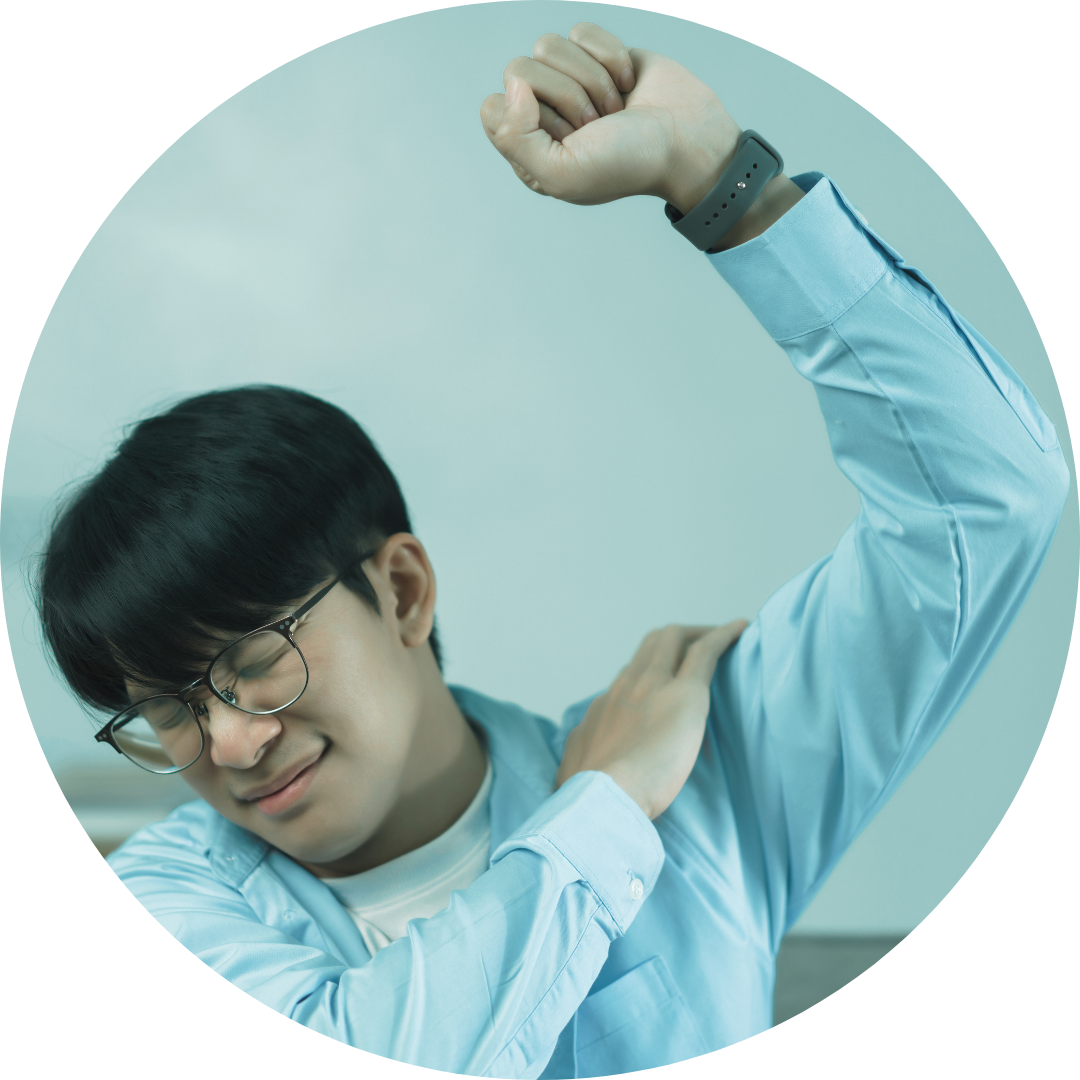
Most post-immunization soreness is a normal, temporary response. Some people may notice delayed muscle soreness afterward, but that doesn't automatically mean something has been damaged.
Common side effects can include soreness where the vaccine was given, as well as general muscle aches. They usually last from a few hours to a few days as the body builds protection.
If your arm feels tight or sore afterward, gentle movement may help. When the soreness is slow to settle or starts to affect how comfortably you reach, dress or sleep, physiotherapy or massage therapy can help ease the muscle tension and support a comfortable return to your usual activities.
A few ways to support your arm:
Keep it moving gently: Use and stretch your arm within a comfortable range rather than holding it still.
Give it time:Temporary soreness often settles within a few days. If your symptoms feel unusual, worsen or concern you, contact a health care provider.
Something that's much less common is a shoulder injury related to vaccine administration, sometimes shortened to SIRVA. Unlike ordinary soreness, the pain can last past that first week and make it hard to lift your arm. It's worked on much the same way as any other inflammatory shoulder injury.
If the soreness lingers, we can assess how your shoulder and the surrounding muscles are moving. Physiotherapy may include gentle movement and hands-on treatment, while massage therapy can help ease muscle tension and soreness. It can help you get moving comfortably again.
Every time you cough, you leak a little. Let's talk about it.
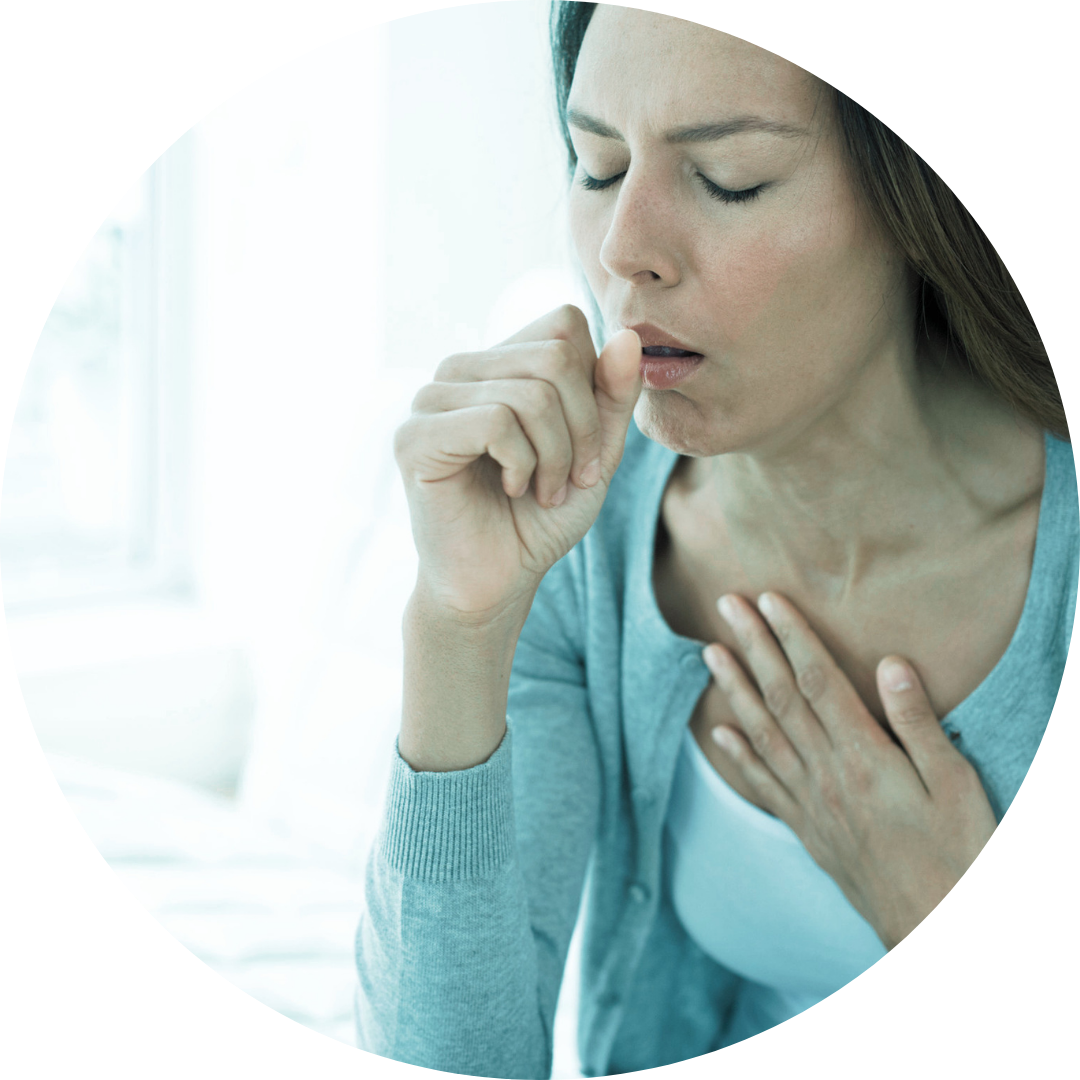
Weeks of coughing put repeated strain on a part of your body most people never connect to a chest cold: your pelvic floor. A cough is a sharp, repeated spike of downward pressure on your bladder and the muscles that support it. Do that a few hundred times over a chest cold, and it's no wonder those muscles get overwhelmed.
If this is you, please know how common you are.
Urinary incontinence affects up to half of Canadian women at some point, and in a national survey, close to 29% of women reported leaking, with about two-thirds of those cases being the stress urinary incontinence type, the kind that shows up with a cough, sneeze, or laugh. Chronic coughing is directly linked to more of it.
And yet most people manage it in private. In one national survey, only about 41% of Canadians knew what help was even available for it. So if you didn't know this was a physio's wheelhouse, that's exactly the point.
Pelvic floor physiotherapy helps by retraining how your body manages that pressure, not just by telling you to do more Kegels. Research on a well-timed pre-contraction, sometimes called the knack, a small squeeze right before you cough, found it substantially reduced leaking within a week of learning it. We look at your breathing, your core, your posture, and how everything coordinates. And yes, men have a pelvic floor too, so this applies more broadly than most people assume.
Getting your energy, and your workouts, back

Once the big three are handled, there's the tiredness. That bone-deep post-viral fatigue that makes a flight of stairs feel like a workout. The instinct is to either push hard to get back to normal or to rest completely.
There's a smarter middle path.
Pace before you crash. Do a little less than you think you can, especially in the first couple of weeks. Overdoing it on a good day often buys you two bad ones.
Build back in steps. A gradual, structured return to exercise beats an all-or-nothing sprint back to the gym. We can map out a progression that adds load a little at a time so you don't flare things up.
Support the basics. Your tissues repair while you sleep, so protect it. Keep your fluids up, especially in dry Saskatchewan winter air. Gentle daily movement usually helps more than total rest.
None of this is about pushing through pain. You don't have to earn your recovery by suffering. We keep you comfortable and check in often as we go.
Frequently asked questions
How long does dizziness last after a cold or flu?
The intense spinning usually eases within a week, but for some people a lingering unsteadiness lasts weeks to months. Vestibular physiotherapy helps retrain your balance so it settles sooner.
Can physiotherapy or massage therapy help with soreness after an immunization?
Temporary arm soreness and muscle aches are common after immunization and usually settle within a few days. If muscle soreness or stiffness lingers, physiotherapy or massage therapy may help ease the discomfort and restore comfortable movement. Contact a health care provider if your symptoms feel unusual, worsen or concern you.
Why do I leak when I cough?
Repeated coughing spikes downward pressure on the pelvic floor, which can lead to leaking known as stress incontinence. It's common and pelvic floor physiotherapy can help you manage that pressure.
Do I need a referral to see a physiotherapist in Saskatoon?
You don't need a referral to book with us. Some extended health plans ask for one before they'll reimburse, so it's worth checking your plan.
Feeling any of this? Let's find your starting point.
Dizziness that won't fully lift. An arm that still feels sore after an immunization. Leaking you've been working around for weeks. You don't need to know whether it's your inner ear, your shoulder, or your pelvic floor before you reach out. Sorting that out is our job.
Unsure where to start? Book a free discovery call.
holisticphysiowellness.ca · (306) 373-0060 · 302 4th Ave N, Saskatoon
A quick note on our scope
We're Registered Physiotherapists, not medical doctors. We don't diagnose viral illnesses or prescribe medication. This guide is about the physical recovery side of things, your movement, your balance, and your strength, after the bug has passed. For fevers, infections, or anything that feels medically urgent, please see your family doctor or pharmacist first.
About the Author

Kim is a Registered Physiotherapist and the founder of Holistic Physiotherapy & Wellness in Saskatoon. She and her team take a whole-person approach to care, helping people across the city move with more ease and get back to the activities they love.
References
[1] Cleveland Clinic, "Vestibular Neuritis."
[2] Cousins et al., "Visual Dependency and Dizziness after Vestibular Neuritis."
[3] Public Health Agency of Canada, "Vaccine Safety and Possible Side Effects."
[5] Scime et al., "Association between Chronic Conditions and Urinary Incontinence in Females."
[6] Herschorn et al., "A Population-Based Study of Urinary Symptoms and Incontinence."
[7] Shaw, Cahill, and Wagg, "The Current State of Continence in Canada."